
Inspiring Ideas for Sustainable &
Net-Zero Ready Living
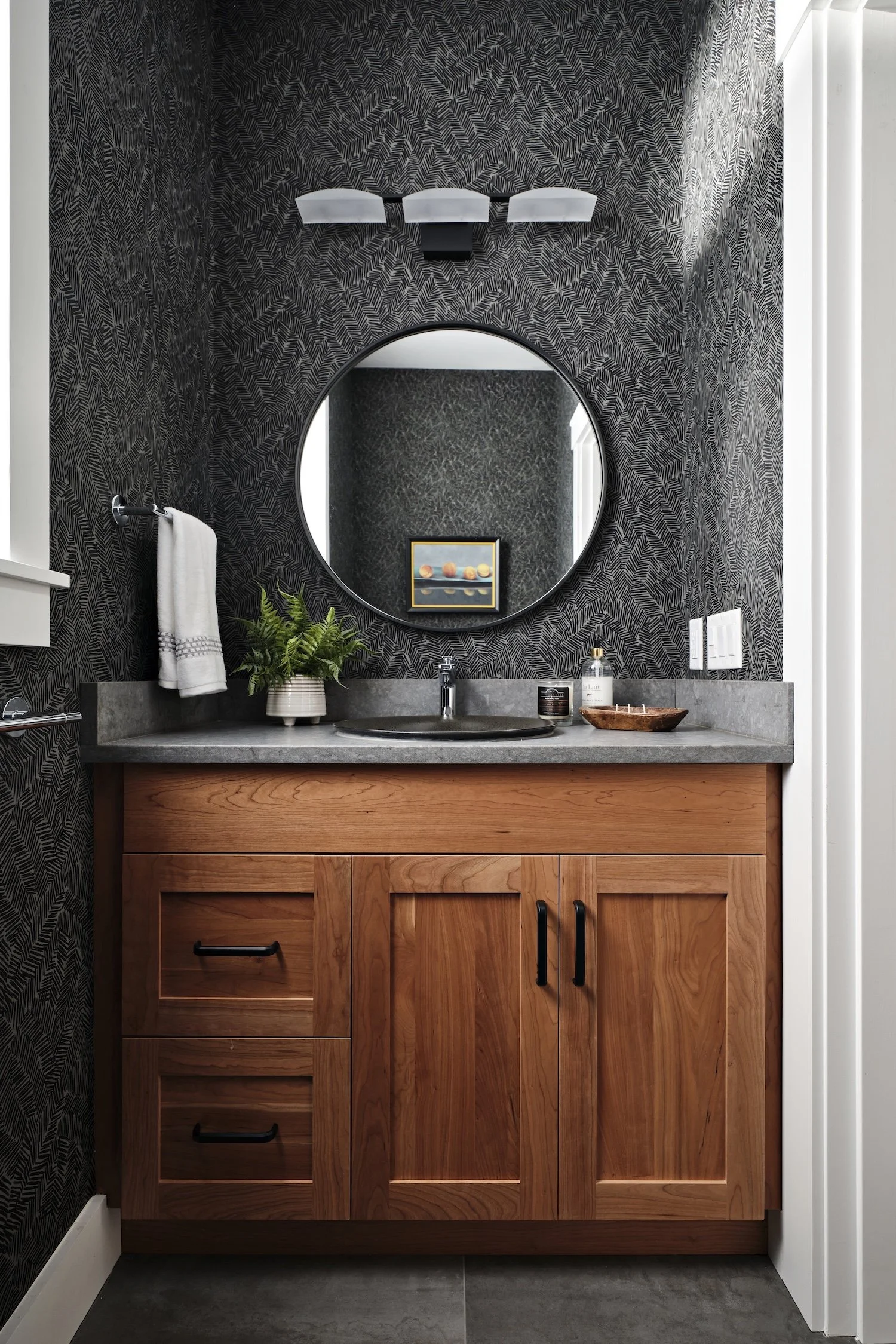
Build a Sustainable Home: Eco-Friendly Tips
Good design and construction will help you improve efficiency by limiting the amount of heat that can transfer through the exterior, but a good green home also takes usage into consideration. Your home has a long life span. Start it off right with sustainable systems and materials that enable you to keep your environmental footprint small while still living comfortably in the modern world.
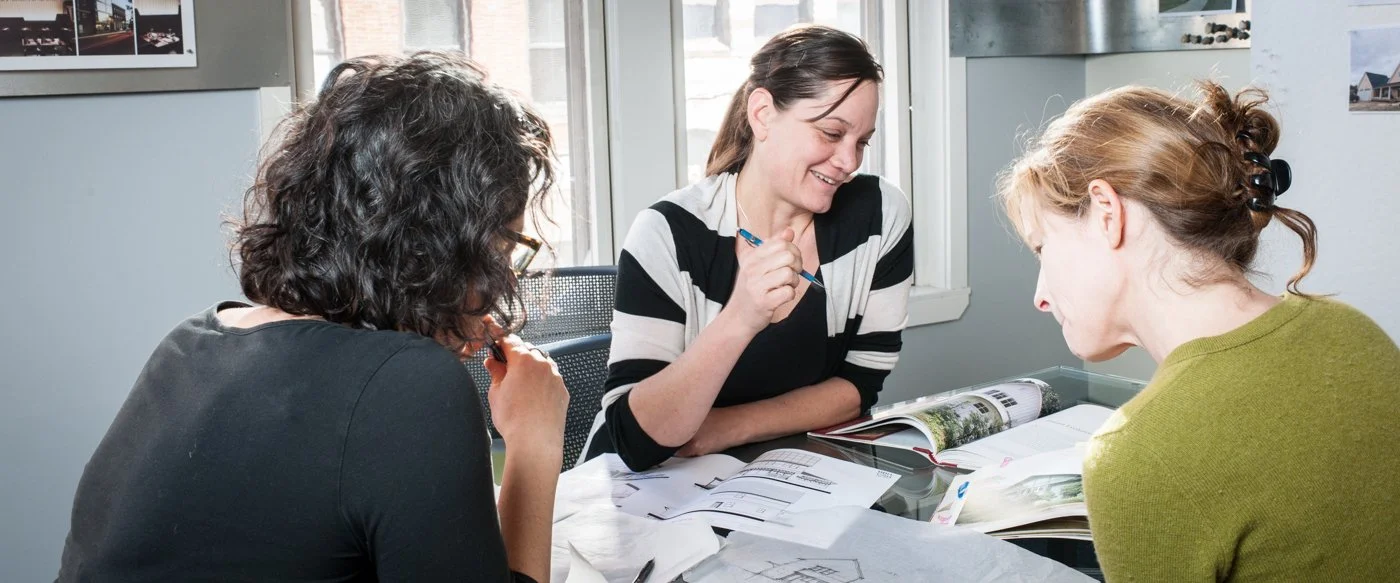
When a Renovation Meets Its Full Potential
You’ve probably been thinking about it for a while. The roof is near the end of its life. The siding is tired, the kitchen has felt cut off from the rest of the house for years, or there is a dormer you pictured a decade ago and never pursued. At some point the thinking becomes a plan, and the plan becomes a project.
That decision, to take on real work on a home you already own, is one of the most important moments in the life of the house. It is also one of the easiest to underestimate.
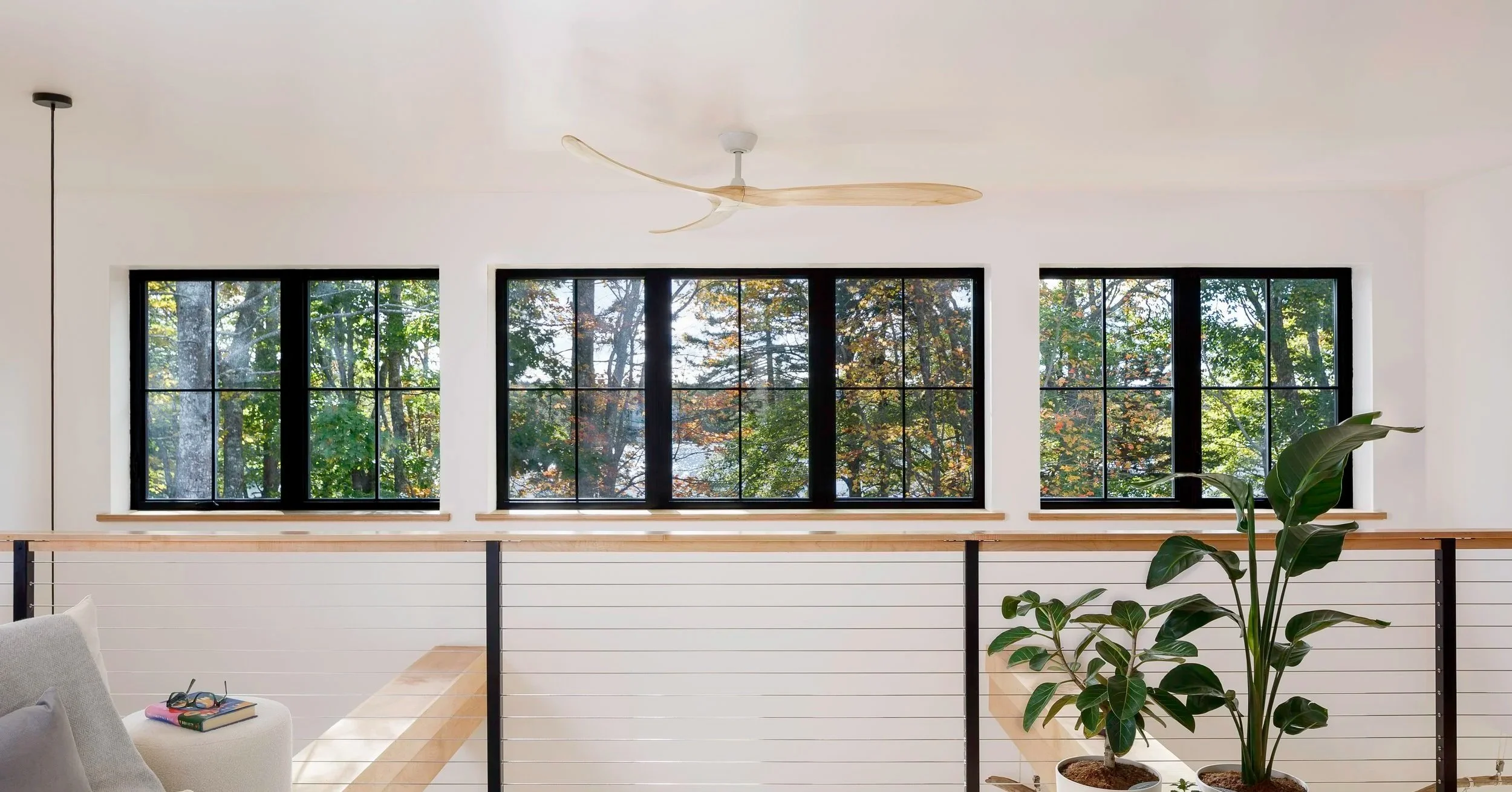
The Home That Pays You Back: Understanding the True Cost of High-Performance Design
The building industry has long operated on a cost-first mentality: minimize what you spend today, worry about everything else later. For decades, that approach seemed rational. Energy was cheap, financing was plentiful, and the future felt comfortably abstract. But that calculus has shifted in fundamental ways, and homeowners who understand the new math are building something most houses can never offer: genuine cost predictability over the life of the home.
Maintaining Your High-Performance Home: A Systems Care Guide
High-performance homes operate as integrated systems. Each component, from your heat pump to your ERV, works in concert with the others to create an exceptionally comfortable, efficient living environment. Regular maintenance isn't just about preventing breakdowns, it's about preserving the carefully calibrated performance that has been designed into your home.
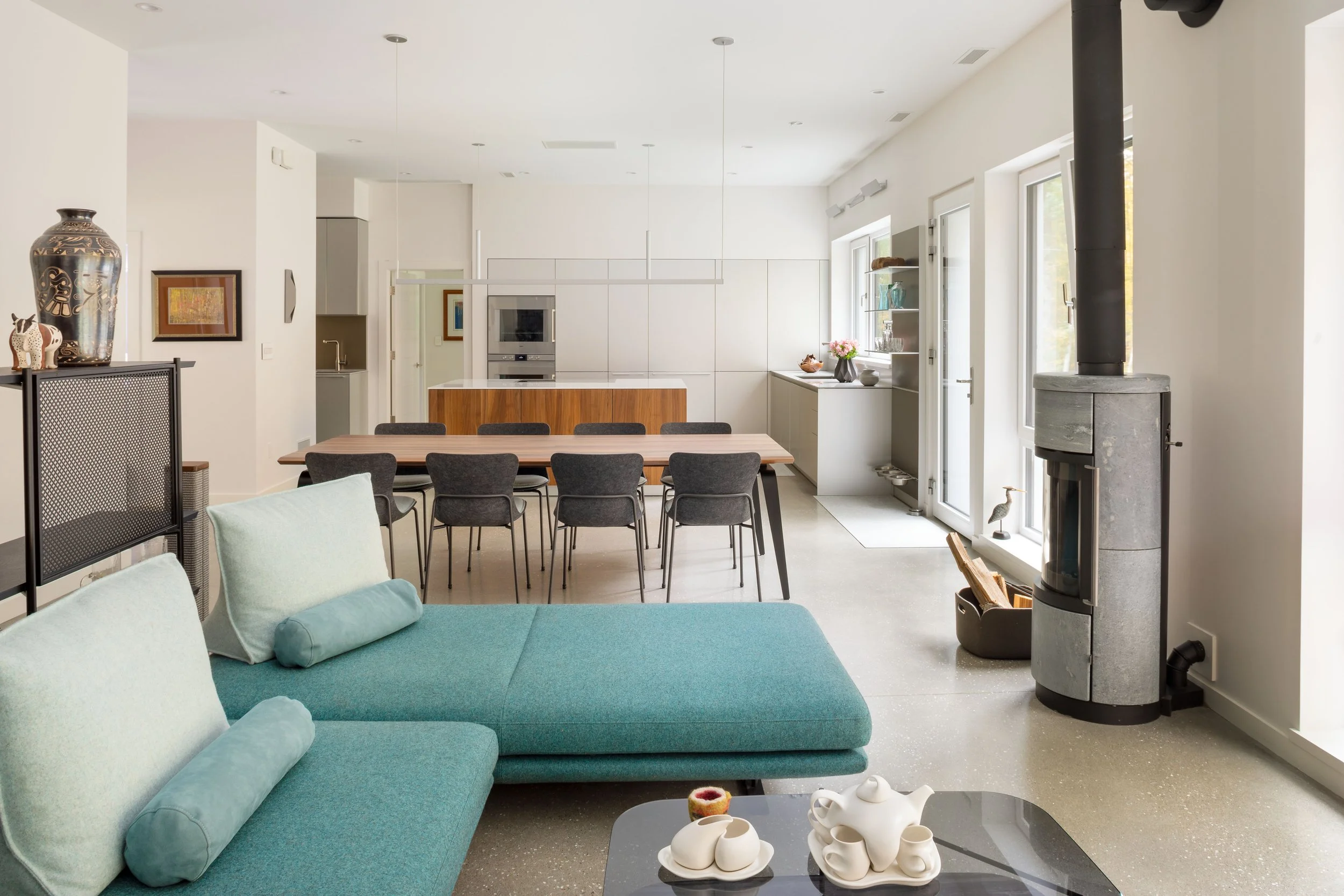
Feel the Burn: A Look at Wood Fires, for Those Who Like to Stoke Them
With autumn all around us and winter soon approaching, many of us are looking to feel the burn… from a fire, that is! One of the questions we are most often asked is: Can I put a fireplace in my high-performance home? If careful conditions are met, the answer is yes.
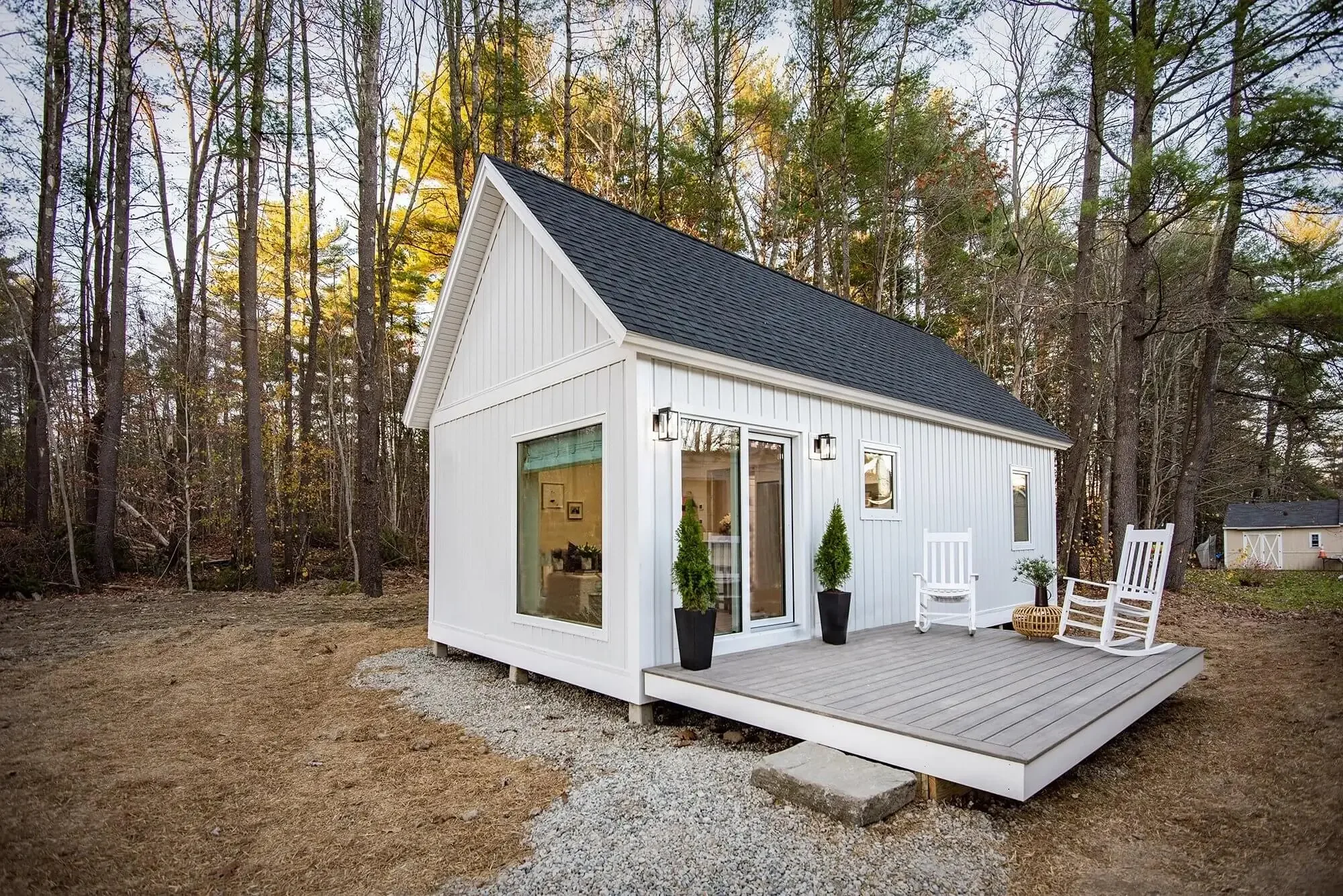
ADUs in New England: What’s Allowed, What’s Changing, and Why It Matters
As housing needs shift across New England—whether due to aging parents, adult children moving home, or a desire to generate rental income—Accessory Dwelling Units (ADUs) have emerged as a smart, flexible solution. They allow homeowners to expand how they live on their land—often with minimal new footprint and long-term payoff in comfort, care, or cash flow.
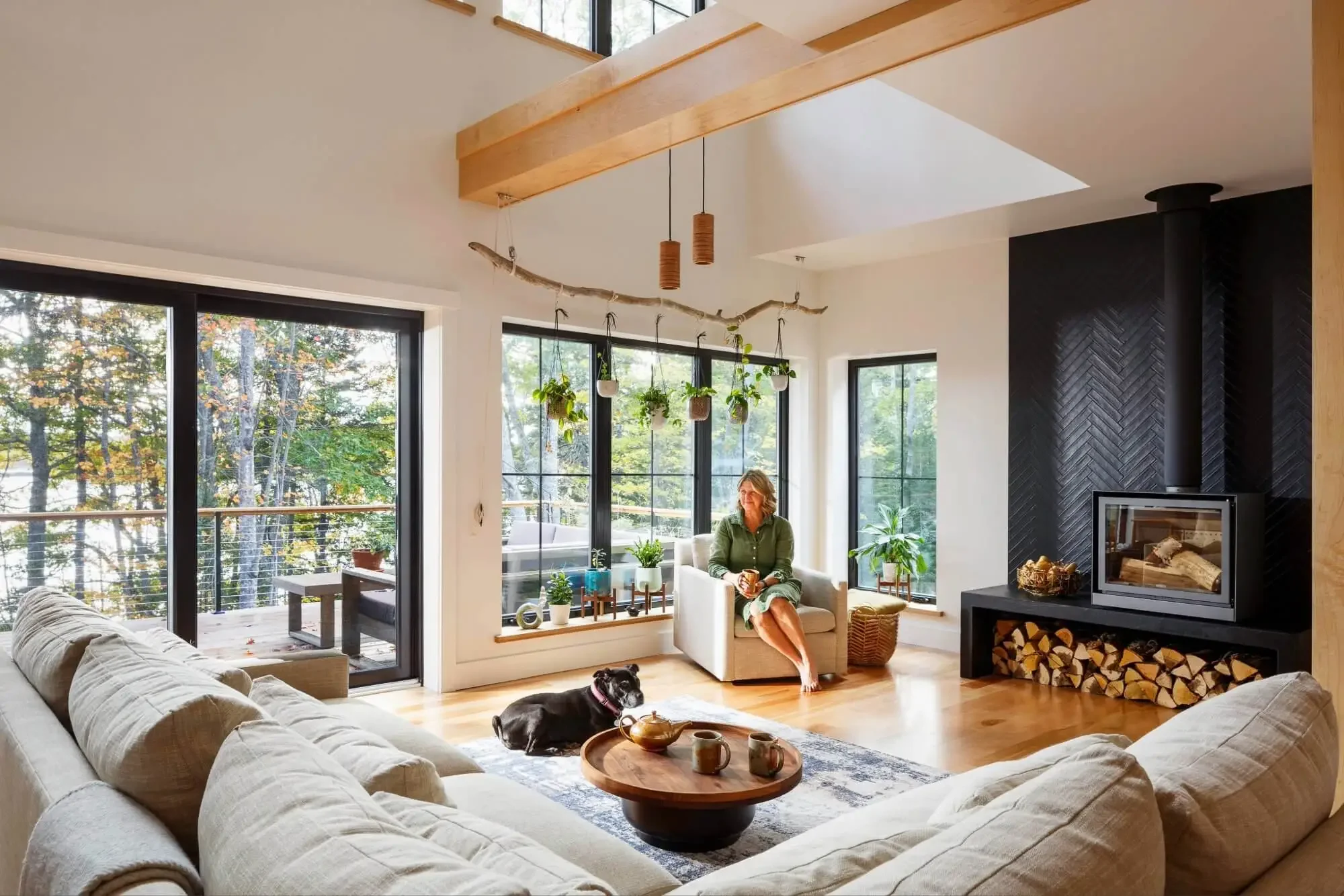
Breathe Easy: How Airtight Design Makes for a Healthier, Cozier Home
At BrightBuilt Home, we design homes that are beautiful and resilient, where comfort and performance go hand in hand. Behind every clean line and cozy room, though, is something you’ll never see—but you’ll absolutely feel: airtightness.
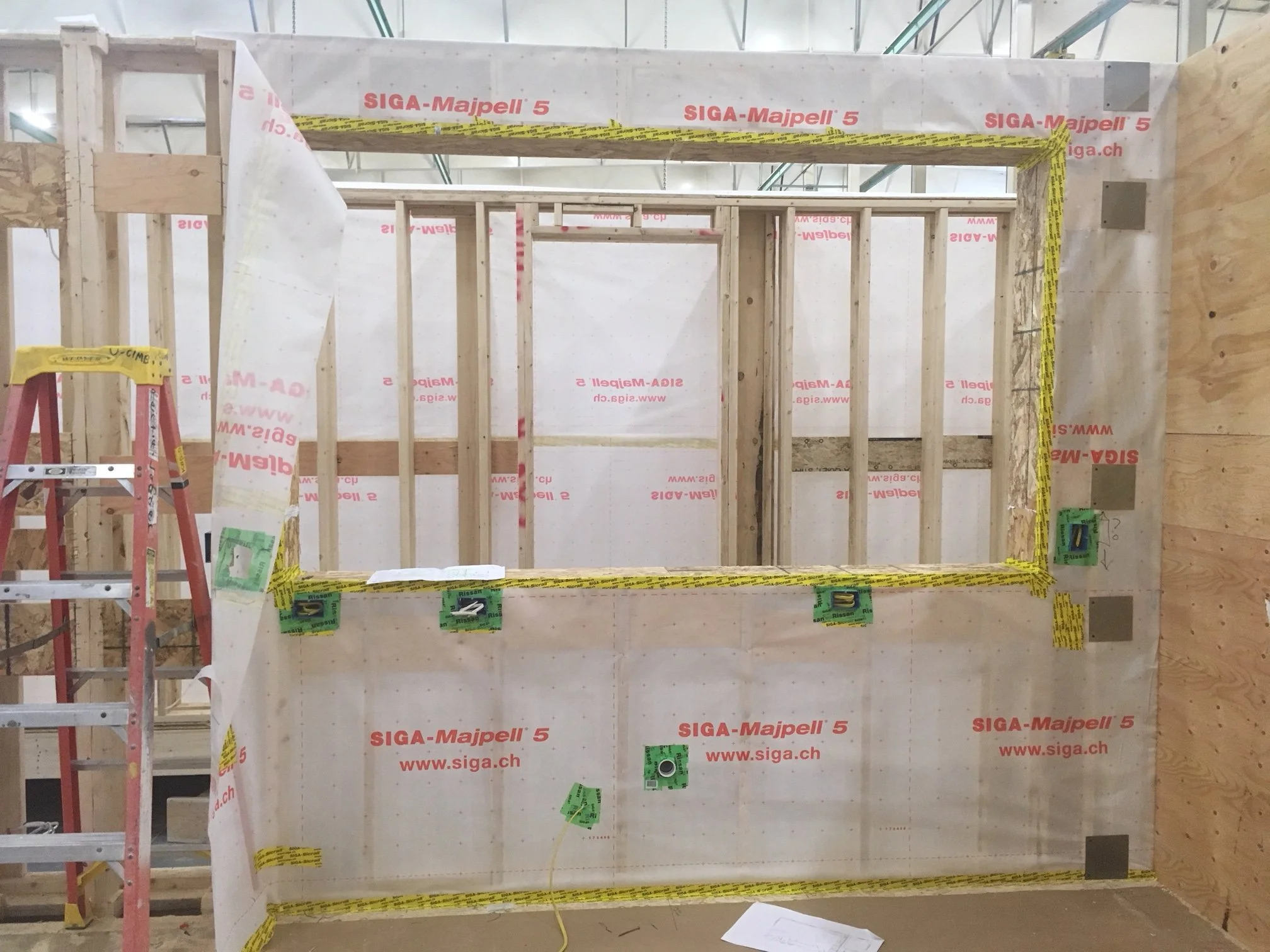
The Hidden Reason Some Homes Feel Cold, Damp, and Drafty
Have you ever walked into a house that just feels uncomfortable, no matter what the thermostat says? Maybe the floors are cold, the air feels stagnant, or there's a persistent dampness that never quite goes away. These aren't just quirks of old homes, they're symptoms of fundamental design decisions made long before you see the finished product.
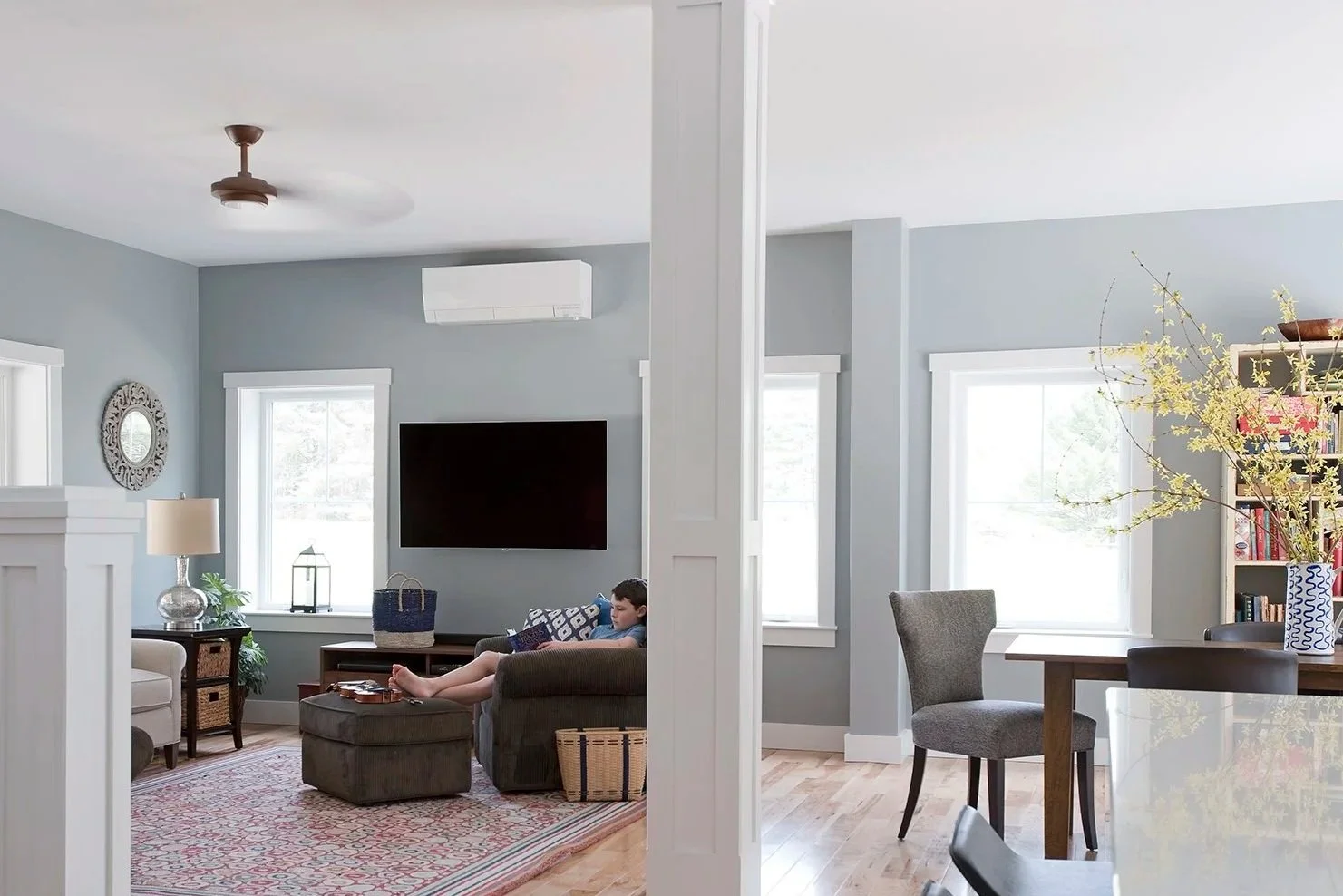
Understanding Air Source Heat Pumps for Home Comfort
Your first question may well be, "Well, what are ASHPs?!?" For that, we've got you covered. ASHP is short-hand for Air Source Heat Pump. It's the technology we use and love, because it's such an efficient way to heat and cool a home (particularly those great homes that have well-built exterior shells and thoughtful, pre-filtered air exchange!).
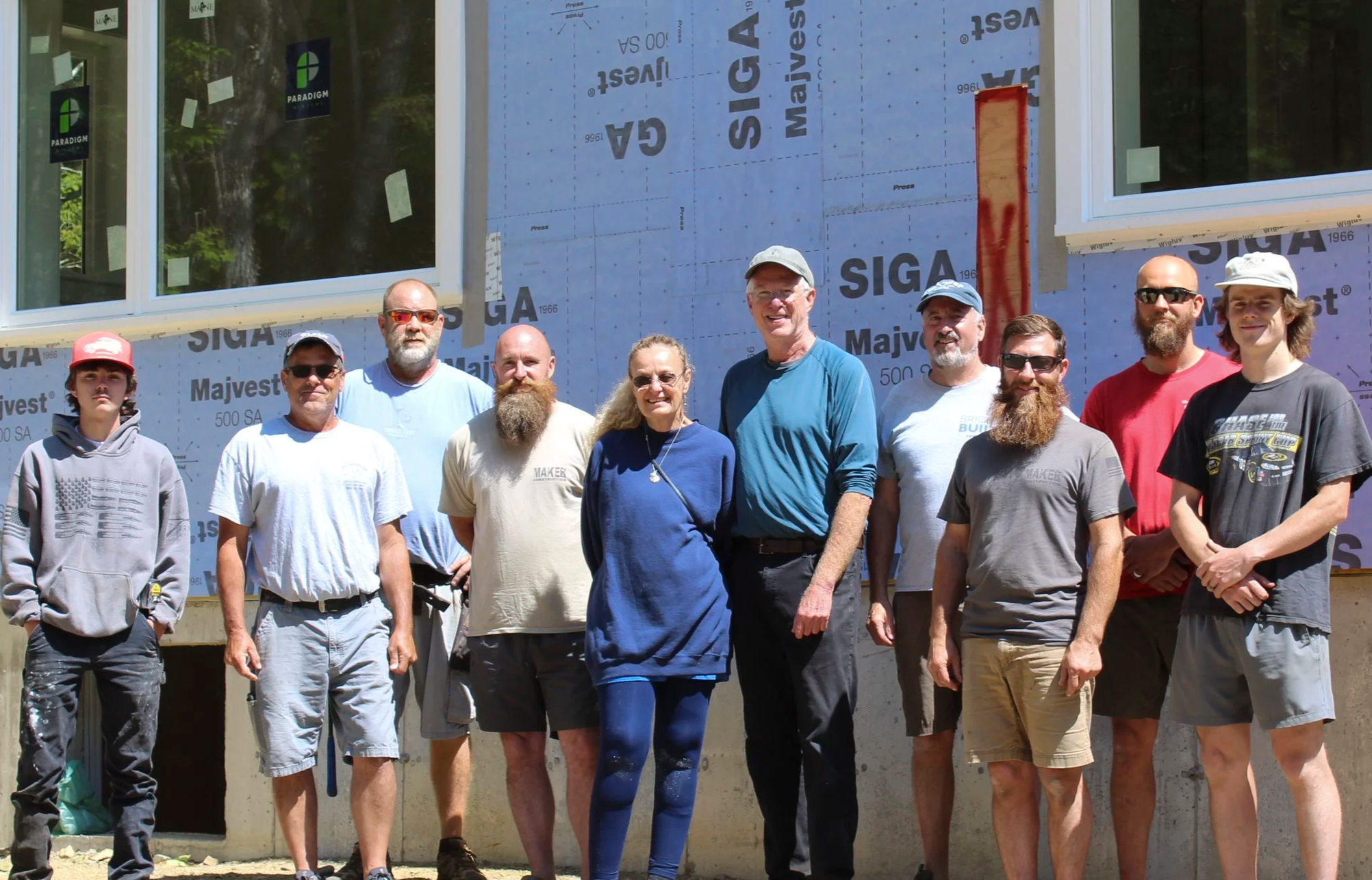
From Vision to Reality on the Coast of Maine
Under clear skies and with a backdrop of stunning coastal views, our client’s team came together to bring a Winslow design to life. This moment marked a major milestone in a journey that began long before the crane arrived: a journey shaped by thoughtful planning, intentional design, and close collaboration between clients, designers, manufacturers, and builders.
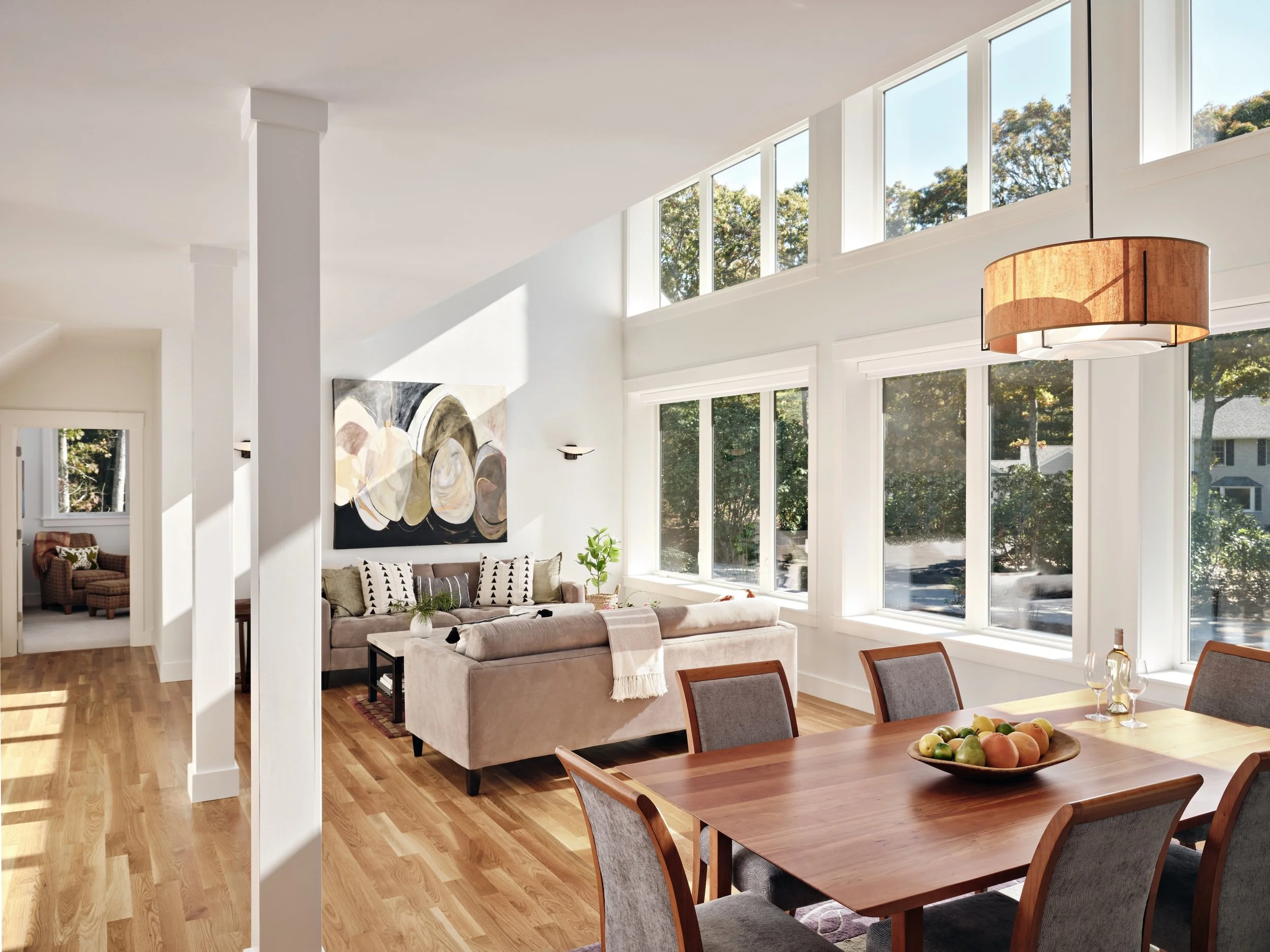
Breathe Easy: The Benefits of HVAC Systems and ERVs in Today’s Homes
Why air quality matters and how your home can help you stay healthy and comfortable, no matter what's outside.
In recent weeks, much of New England has been blanketed in wildfire smoke drifting in from afar. As unsettling as it is to see our skies dimmed and our outdoor time limited, it's also a stark reminder of something we often take for granted: the air we breathe.
While we can't always control what's happening in the atmosphere, we can make smart, proactive choices about the environments we live in. That's where high-quality HVAC (Heating, Ventilation, and Air Conditioning) systems and ERVs (Energy Recovery Ventilators) become essential allies in protecting our health and comfort.
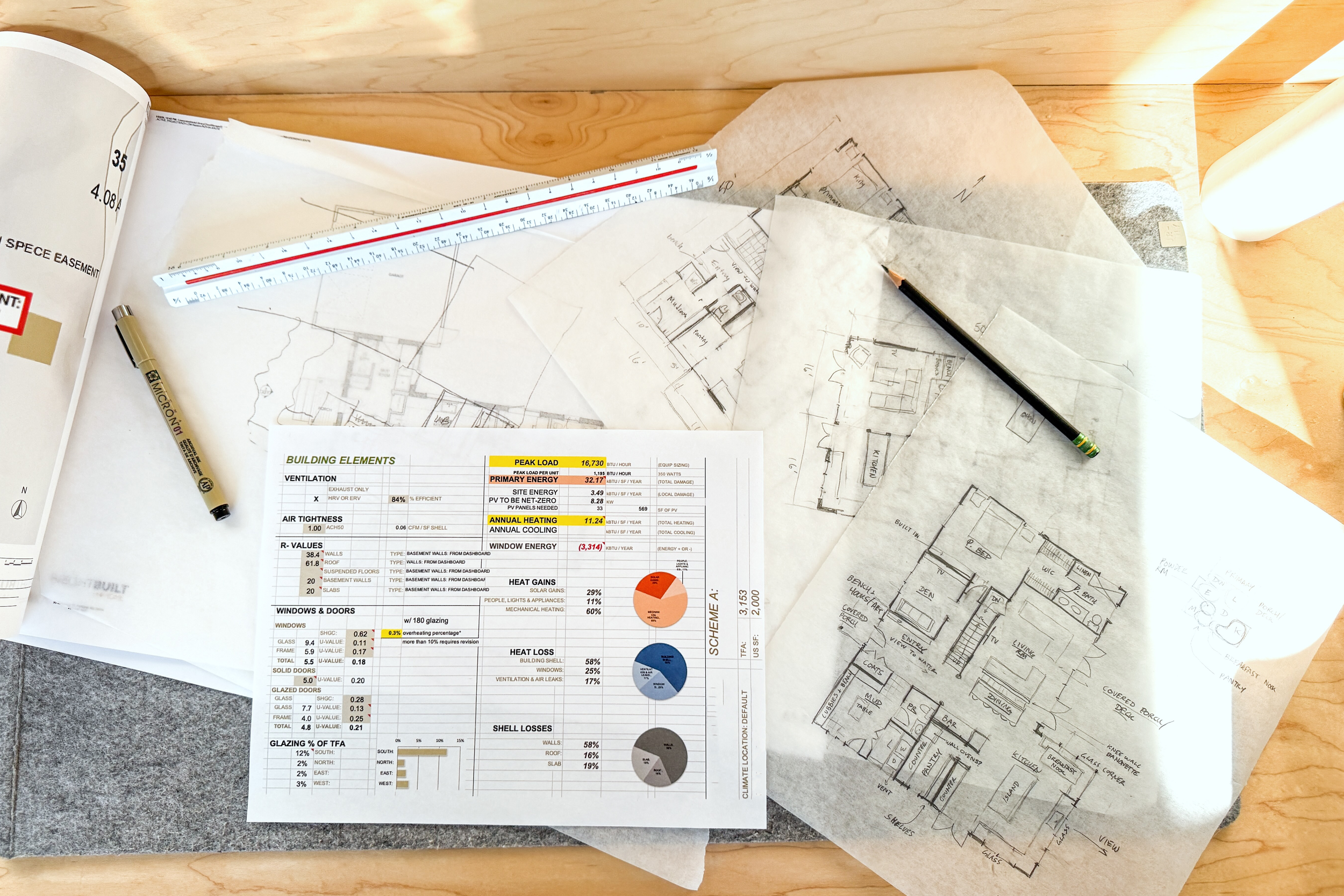
How Energy Modeling Can Set You Up for Success
For homeowners considering a new build or renovation, energy modeling might sound like a complex, technical term, but it’s actually an incredibly valuable tool that ensures your home is designed to perform optimally, both in energy efficiency and comfort. By leveraging advanced software, energy modeling allows us to predict how a home will function under various conditions, offering insights that guide design choices and prioritize performance. Let’s dive into how this process works and why it’s such an essential step in creating a high-performance home.
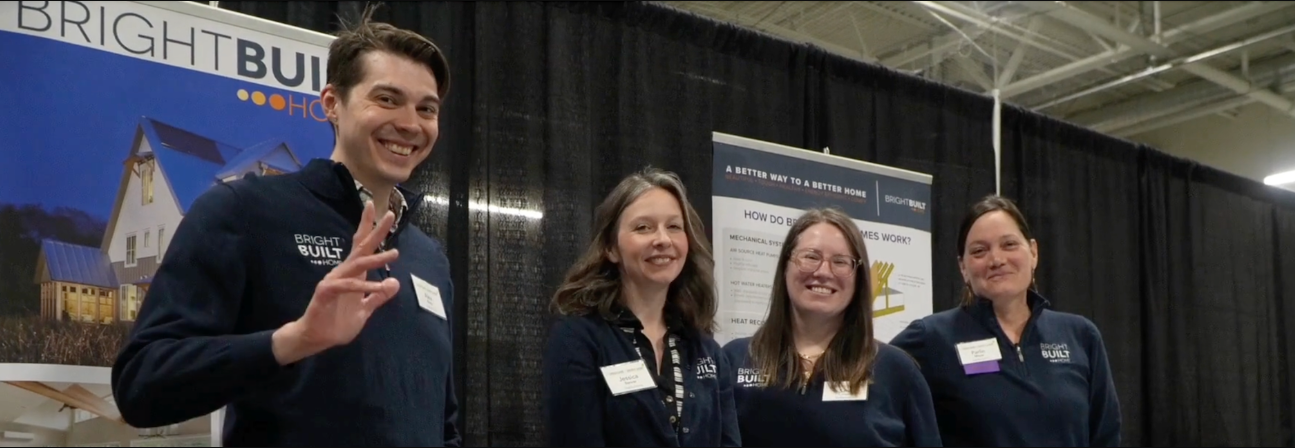
Designing for a Better Future: BrightBuilt at the Green Home + Energy Show
In this short interview from the 2025 Green Home + Energy Show, BrightBuilt Home’s Managing Principal, Parlin Meyer, shares how our approach to high-performance modular design is changing the way people think about building sustainably. Representing BrightBuilt at both the speaker series and exhibitor booth, Parlin outlines how our net-zero ready home designs deliver elevated energy efficiency, simplified processes, and beautiful, lasting results.
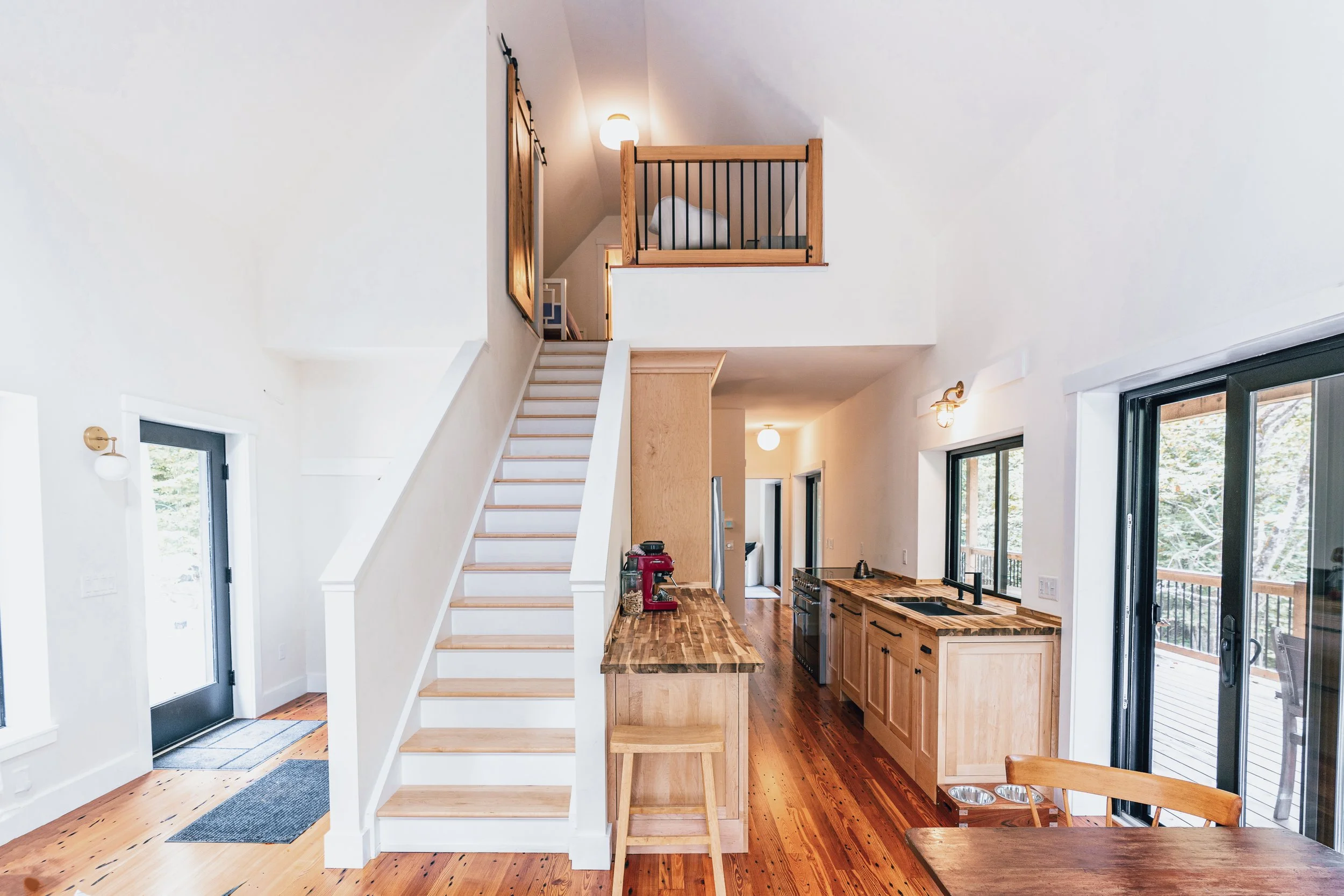
The Upside of Downsizing: Why Building Small is the Future and Better for the Planet
There’s been a lot of discourse recently on the sizes of homes, and what makes the best sense for homebuyers and new home builders. We too have some thoughts to share about the benefits of designing smaller homes, and why they are not only practical choices but stylish ones too. While we can understand that downsizing might sound like a radical shift, in reality, it’s on-trend. In the last ten years, the average new home size has gone from 2,600 square feet to 2,400 square feet. While not a huge delta, it signals a clear trend in the marketplace - one that’s been driven both by costs and preferences. And we support this trend. To us, building small means more freedom, less waste, and a whole lot of efficiency. So, let’s dive into why we think building small is the way forward, for you and for the planet.
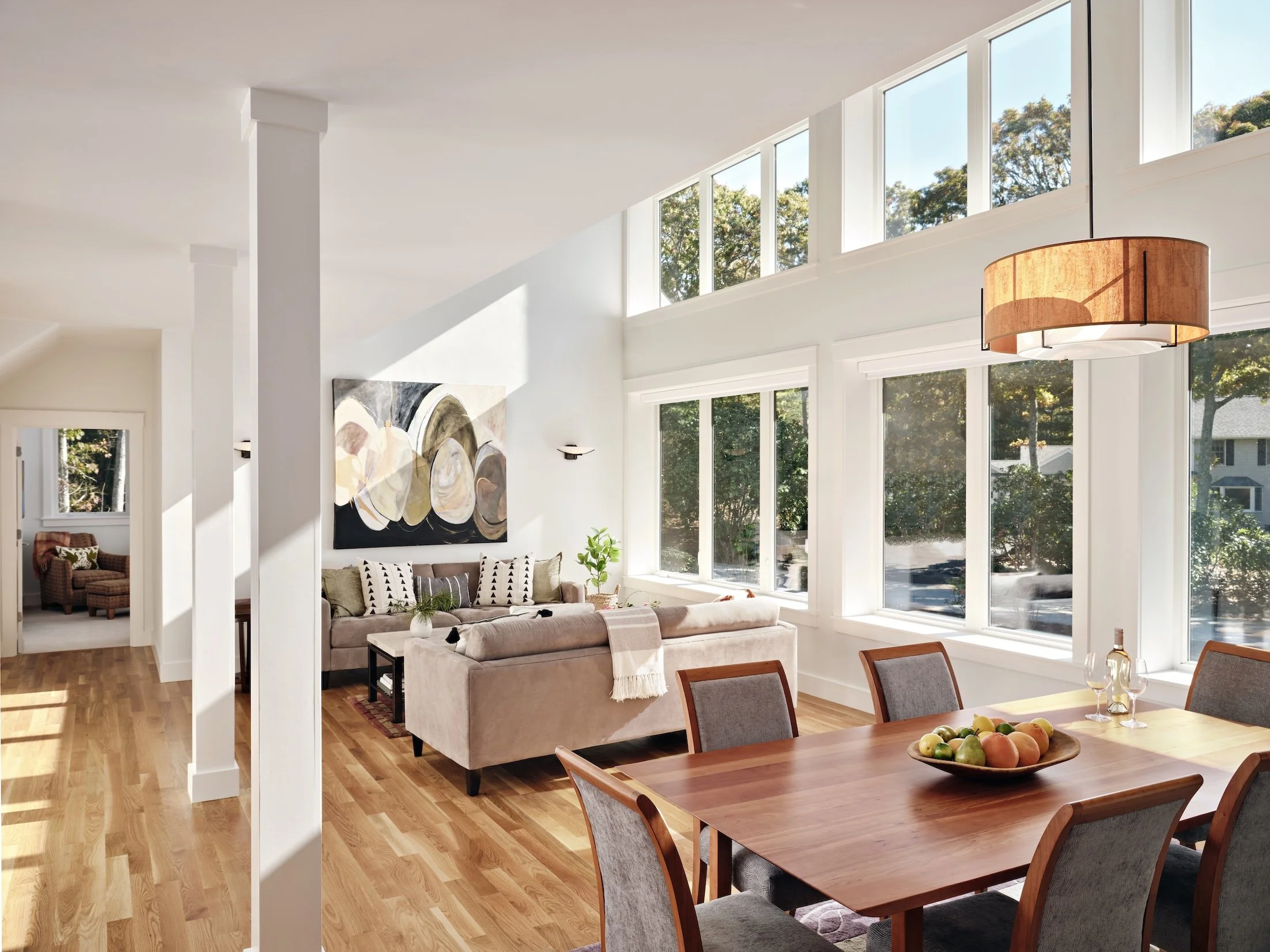
The Science Behind Sustainable Design
At BrightBuilt Home, we aim to design homes that are both beautiful and sustainable. To do this, we enlist a combination of materials and methods that are tuned to each other and to the environment. The net result is a home that is a holistic sum of its parts, operating harmoniously with its occupants and its surroundings. Each element plays a role.
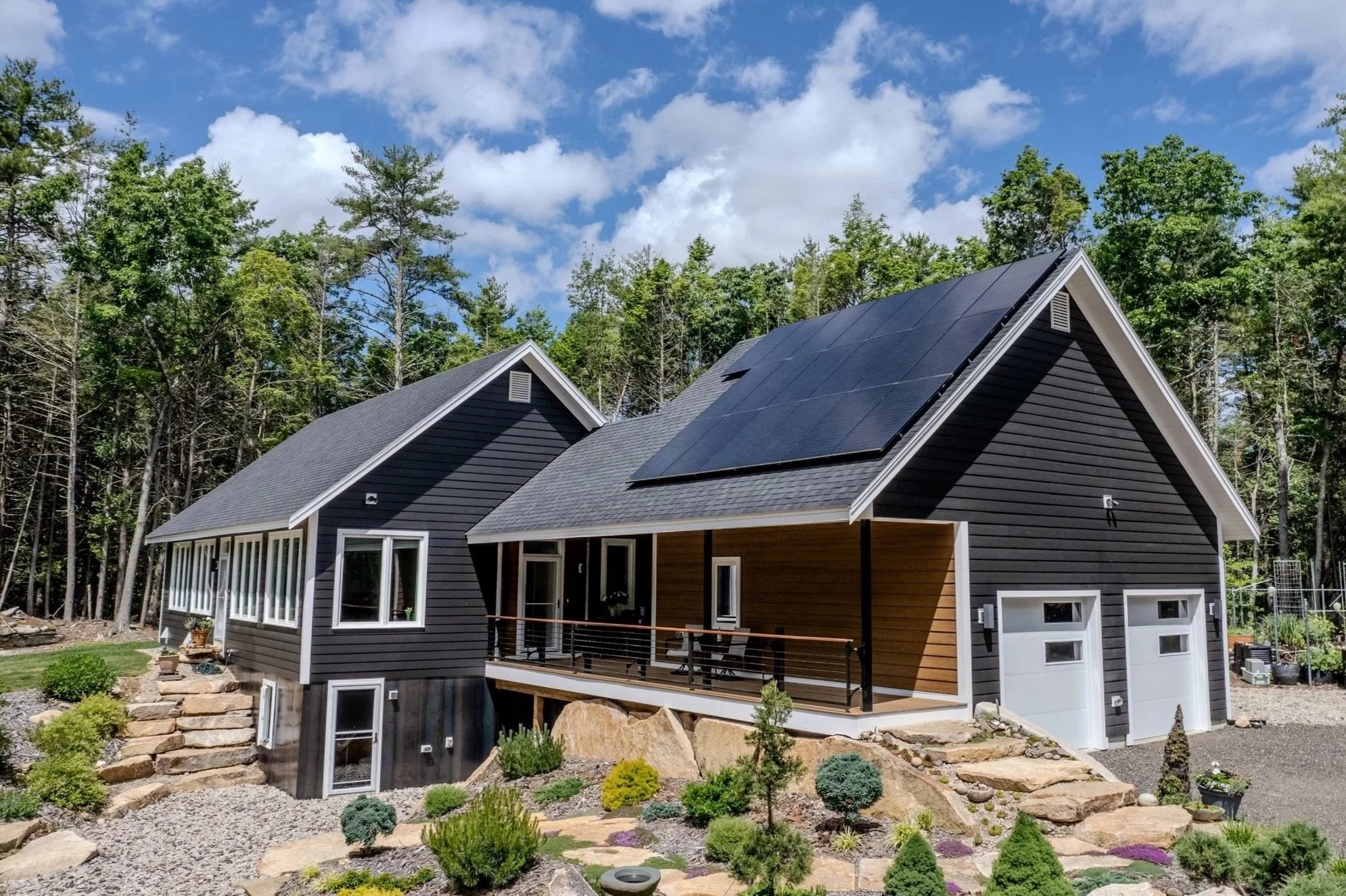
The Latest Trends in Sustainable Architecture
As we navigate through the 21st century, the impact of climate change and the pressing need for environmental responsibility are becoming increasingly evident. In response, sustainable architecture is no longer just a buzz phrase but a vital component of the construction industry. It’s exciting to see how innovative minds are reimagining the built environment, blending functionality with eco-consciousness to create spaces that are as kind to the planet as they are captivating to the senses. Let’s delve into the latest trends shaping the future of sustainable architecture.
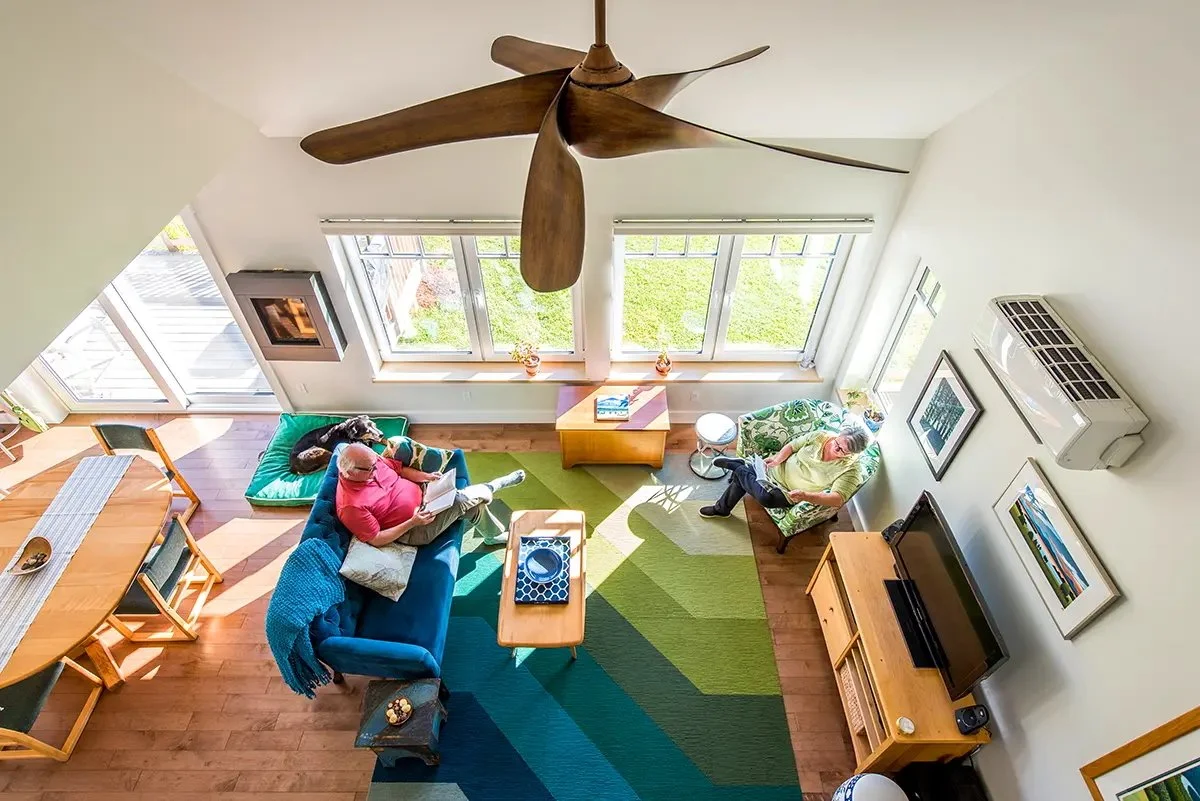
Heat Pumps: Your Cool Summer Companion
When we think about summer, images of beach days, barbecues, and perhaps a cooling dip in the pool come to mind. But let's face it, the reality often involves sweltering days when the air feels downright oppressive. Keeping cool becomes the top priority, and this is where a heat pump can be a game-changer.
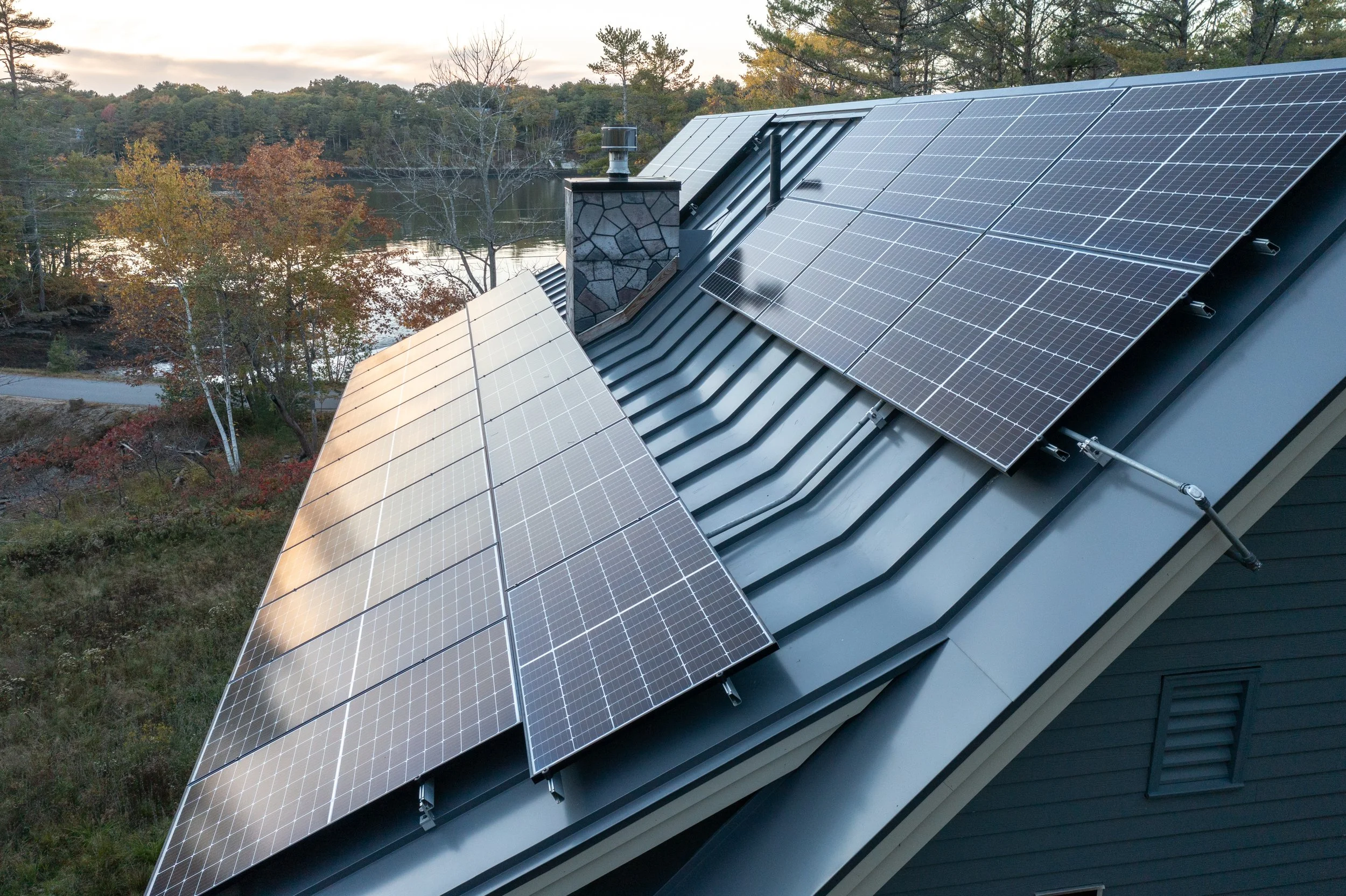
Powering Up: Understanding Net-Zero Energy Homes
In recent years, sustainability has evolved from a niche concern to a global imperative. As we confront the challenges of climate change and environmental degradation, the need for innovative solutions becomes increasingly urgent. BrightBuilt Home has long championed what we believe to be the superheroes of the housing realm: net-zero energy (NZE) homes. These cutting-edge residences blend tech smarts with environmental savvy to create homes that are as eco-friendly as they are stylish. But what exactly does "net-zero energy" mean, and why are net-zero ready homes so crucial in our quest for a more sustainable future?
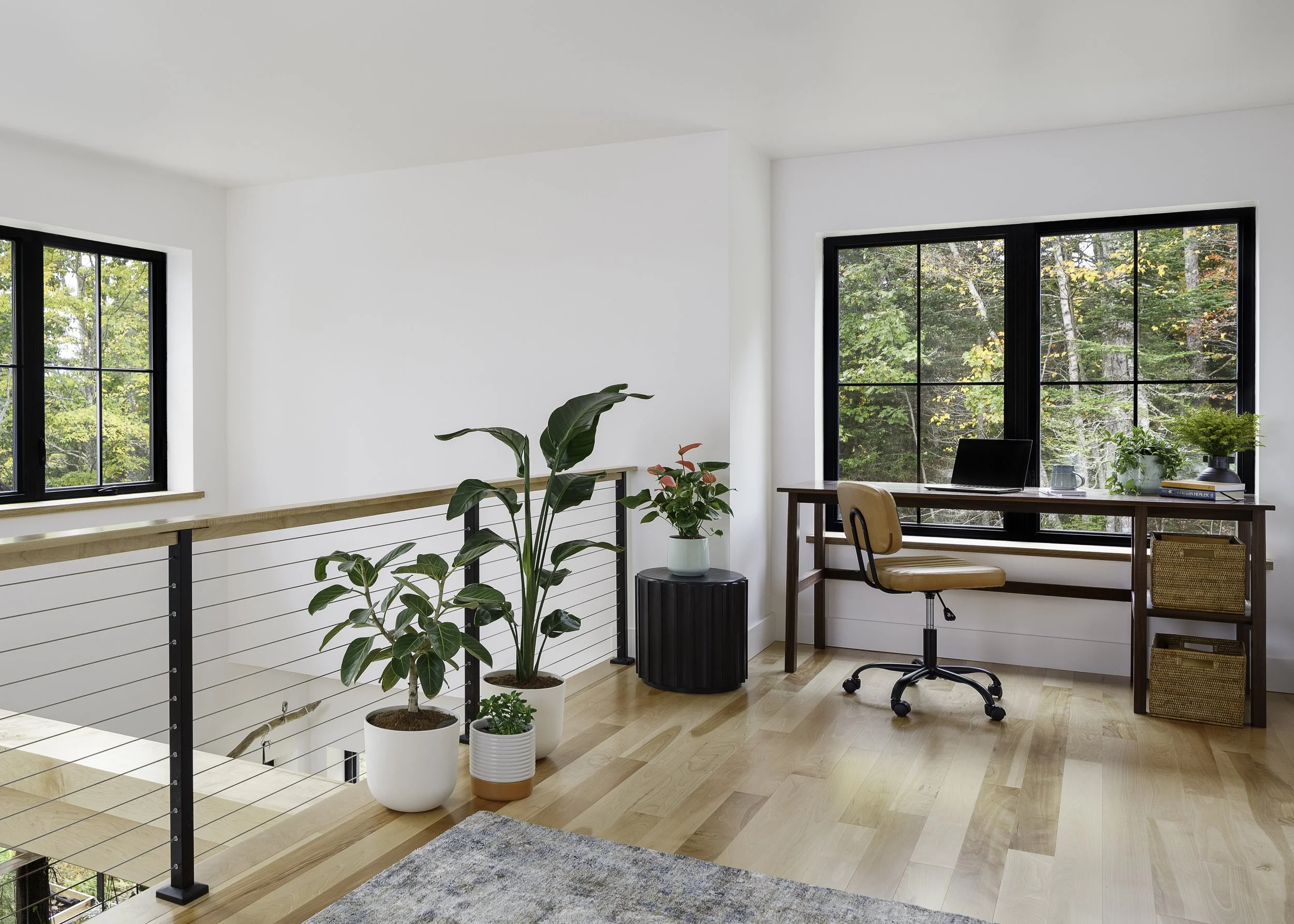
The Ventilation Showdown: ERV, HRV, and CERV - Decoded
In today's modern world, the significance of healthy air quality and energy efficiency cannot be overstated. Beyond mere comfort, they are pivotal elements for maintaining both physical well-being and environmental sustainability. Healthy air quality ensures that indoor environments are free from pollutants and allergens, safeguarding respiratory health and overall vitality. Moreover, prioritizing energy efficiency not only reduces utility costs but also minimizes carbon emissions, contributing to a cleaner, greener planet. By fostering clean air and energy-efficient practices within homes, individuals experience a profound enhancement in their health and happiness. Breathing clean air promotes better sleep, boosts cognitive function, and reduces the risk of respiratory illnesses, ultimately fostering a sense of well-being.